


Robotics In The Defence Sector
Latest Blog Posts
The UK Defence sector is under pressure to move faster, build smarter, and do more with tighter supply chains. The MOD's Defence and Security Industrial Strategy and programmes like Project TAMPA are accelerating that shift, and for manufacturers in the supply chain, the question is no longer whether to modernise production, but how quickly they can do it.
Traditional CNC machinery has served Defence manufacturing well, but it comes with a fundamental constraint: one machine, one job. Retooling for a new component, adapting to a new material, or scaling output to meet a surge in demand all carry time and cost penalties that modern Defence programmes can't afford.
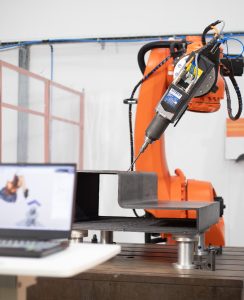
Industrial robots change that. A single robotic cell can be reprogrammed to machine composites, drill, trim, and produce large-format 3D printed tooling and moulds, all without the footprint or capital overhead of multiple dedicated machines.
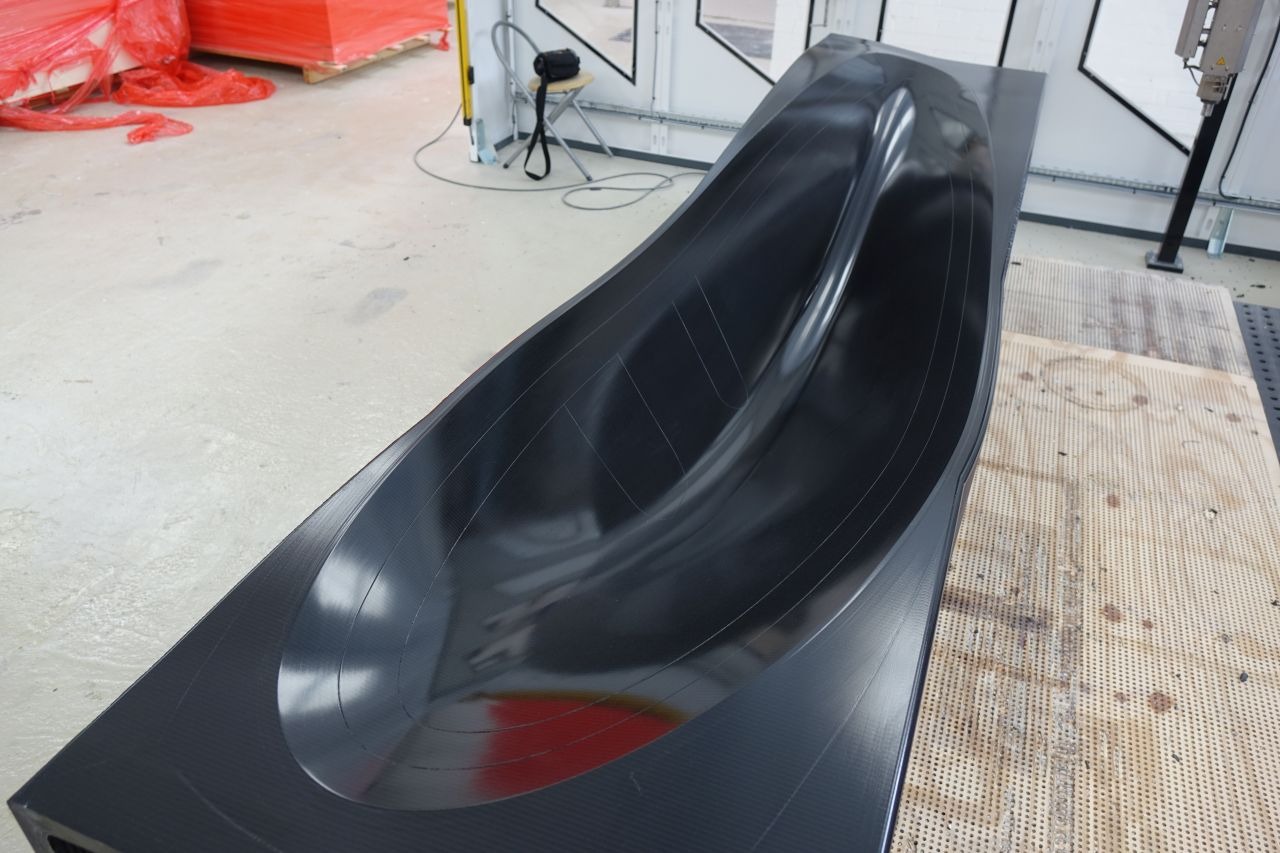
Robotic systems are being used to machine complex composite components for aerospace and military platforms, where tolerances are tight and material waste is costly. Large-format additive manufacturing is cutting lead times on tooling, moulds and fixtures that would previously have required long procurement cycles or external suppliers. And for programmes requiring rapid iteration, robotic cells support prototyping at a pace that traditional methods struggle to match.
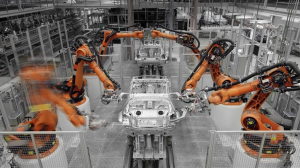
For Defence manufacturers, the shift to robotics is about building the kind of agile, resilient production capability that modern programmes demand. The supply chain that can respond quickly, maintain precision at volume, and reduce waste in the process is the one that wins the contract.
RELATED PAGES
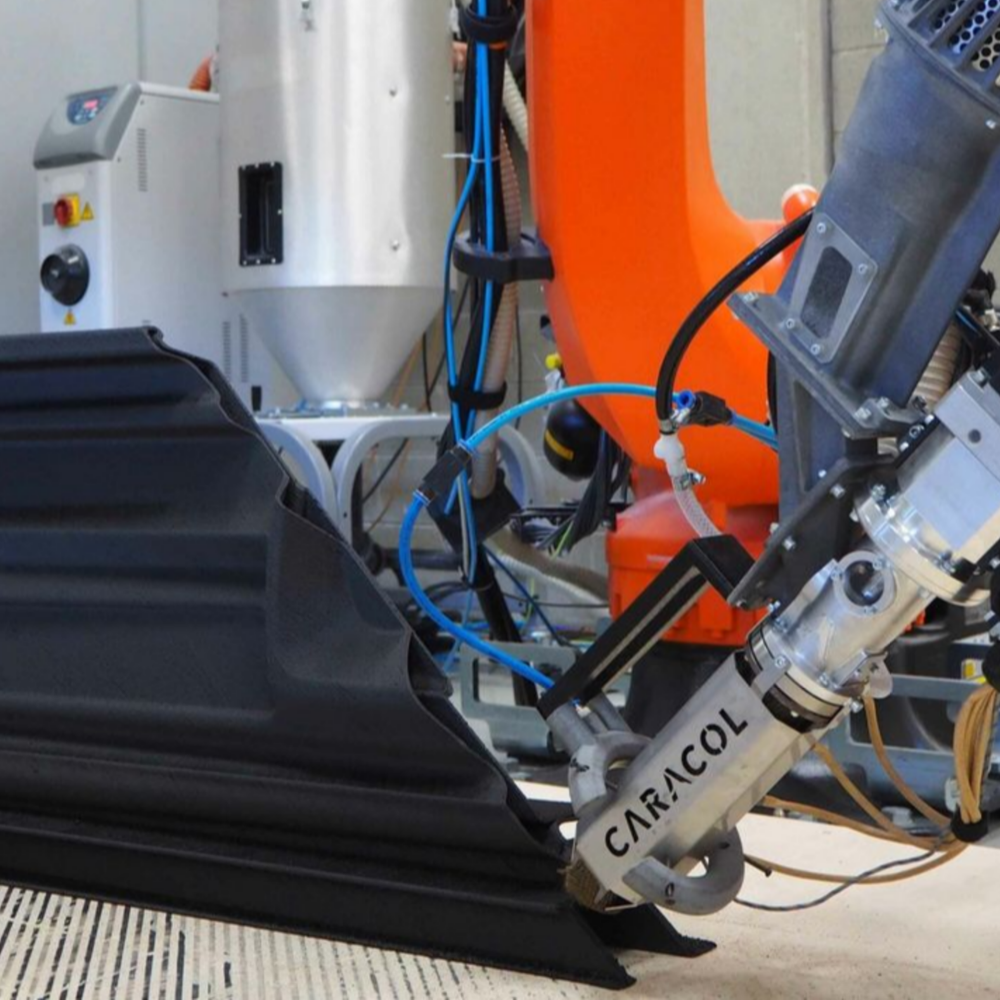
COMPOSITE 3D PRINTING
Large-format 3D prinitng for structural composite components and tooling.
+ Read More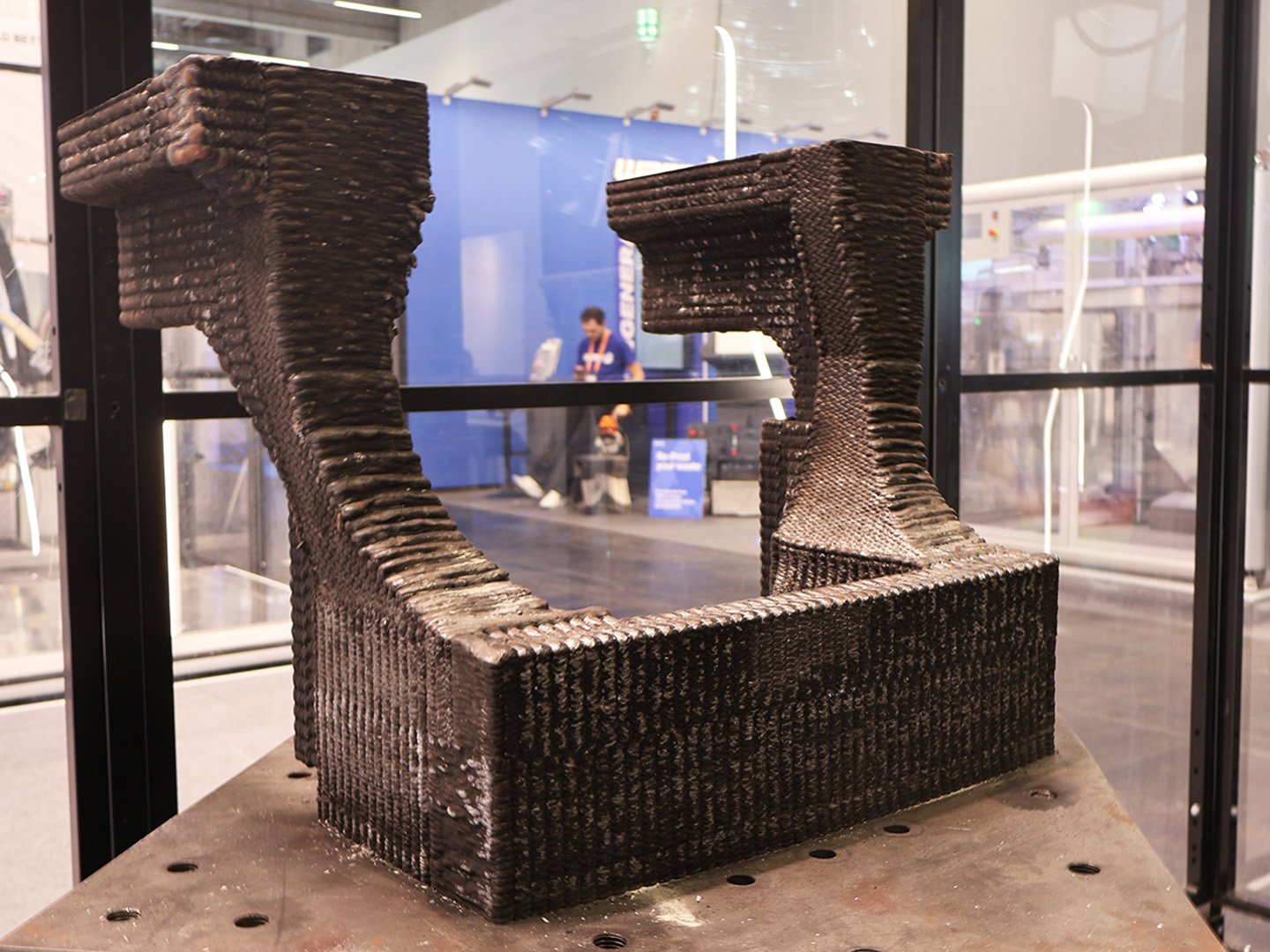
METAL 3D PRINTING
Complex metal components, reducing lead times and material waste across defence applications.
+ Read More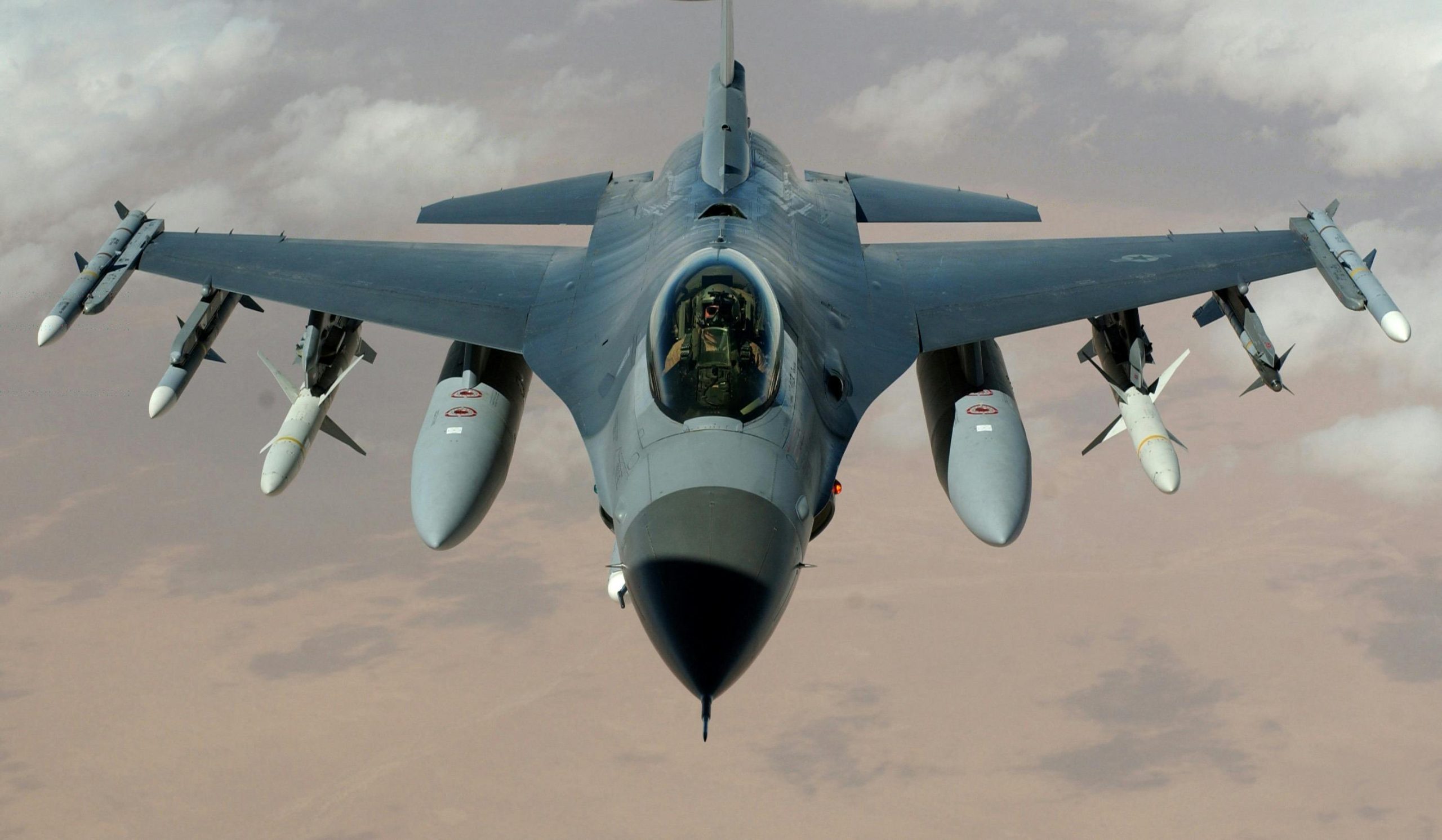
DEFENCE INDUSTRY
Robotic systems are strengthening capability and resilience across the Defence supply chain.
+ Learn More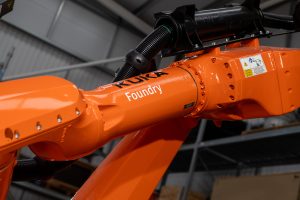
Leave a Reply