


What is a Robotic CNC Machining Cell?
What is a robotic machining cell?
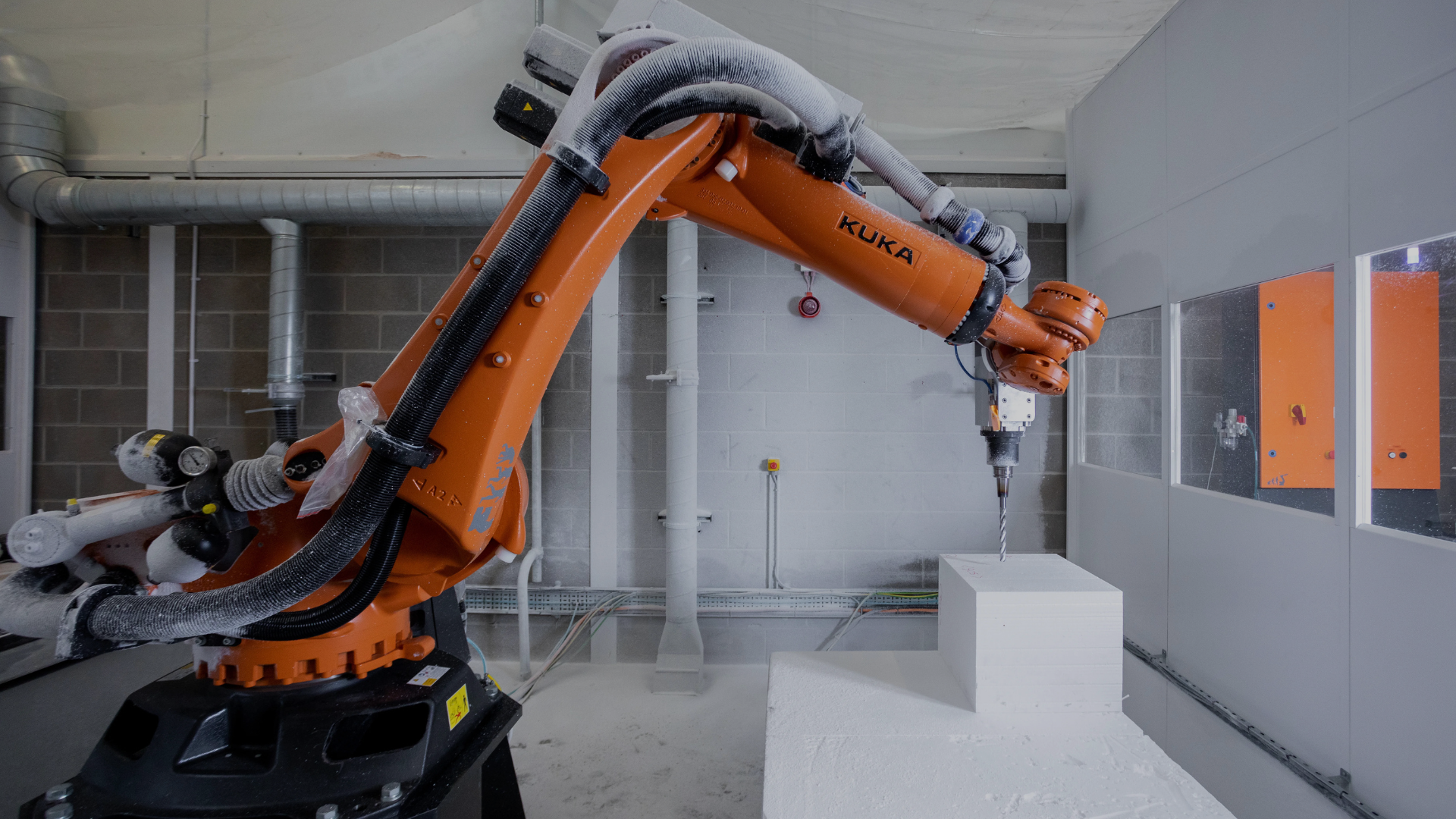
A robotic machining cell is a fully integrated production system built around an industrial robot arm. It cuts, mills, drills, and routes material with the precision and repeatability that manual and conventional CNC methods struggle to match at scale. For manufacturers evaluating automation, understanding what the cell actually consists of and what separates it from a standard CNC machine is the right starting point.
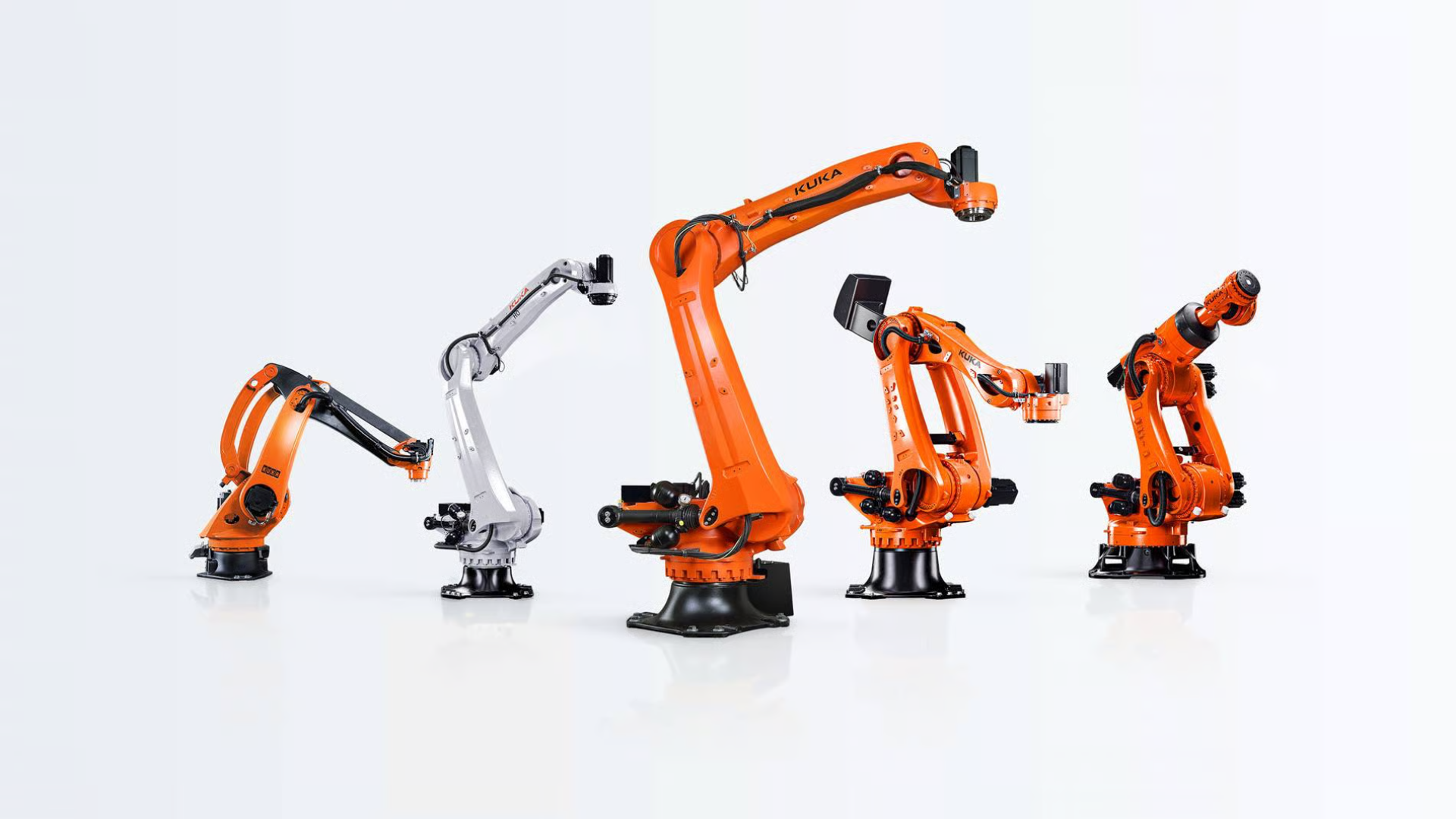
At the core is a 6-axis robot arm, with a machining spindle attached to the end of arm (axis-6). The robots six axes gives the ability to approach a workpiece from virtually any angle, handling compound curves, undercuts, and complex surface profiles in a single setup.
A 3-axis CNC machine moves in X, Y, and Z. A robotic machining cell moves in six independent directions, which is why geometries that would require multiple operations and repositioning on a conventional machine are completed in one pass. For manufacturers working with composites, foams or tooling boards, that capability removes one of the more persistent constraints in their production process.

The robot follows a cutting path that CAD/CAM software generates, translating a 3D design file directly into the movements the robot executes. There is no manual interpretation between the digital model and the finished part. A complete cell also includes the spindle, workholding and fixturing, safety guarding, dust extraction, and a control system that ties everything together. The working envelope depends on the robot's reach, typically one to two metres. However, a robot on a linear track extends that significantly for larger components.
What separates a robotic machining cell from a standard CNC machine is not simply the number of axes. It is the flexibility to switch applications through reprogramming rather than retooling. Furthermore, it handles part sizes and geometries that fixed-axis machines cannot, at a cost of entry that has shifted considerably as industrial robotics has matured. For manufacturers who have reached the limits of conventional machining, that combination is where the conversation usually starts.
Related Pages
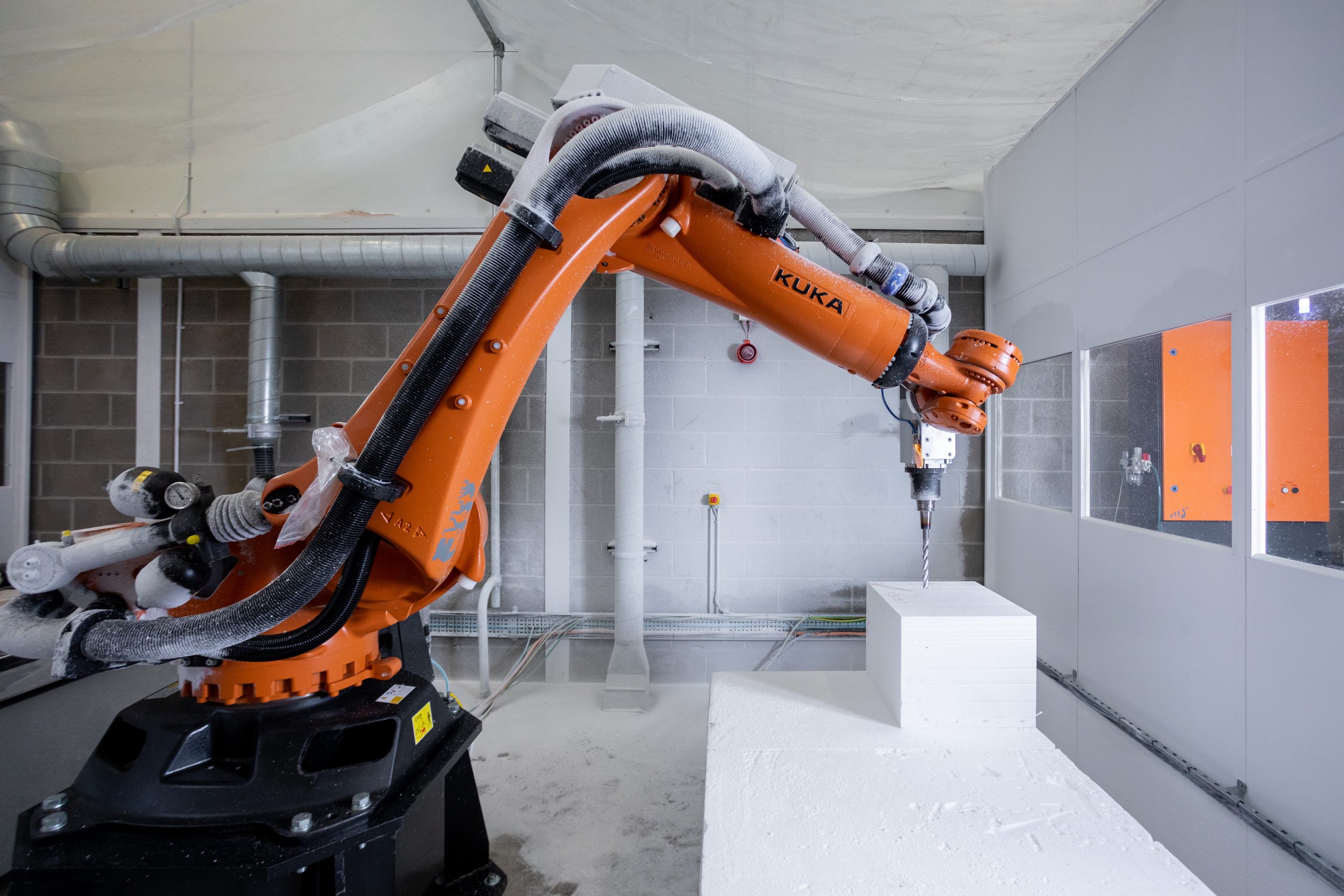
Robotic CNC Machining Systems
Industrial robotic machining cells for composites, metals, and polymers, built around your application.
+ Learn More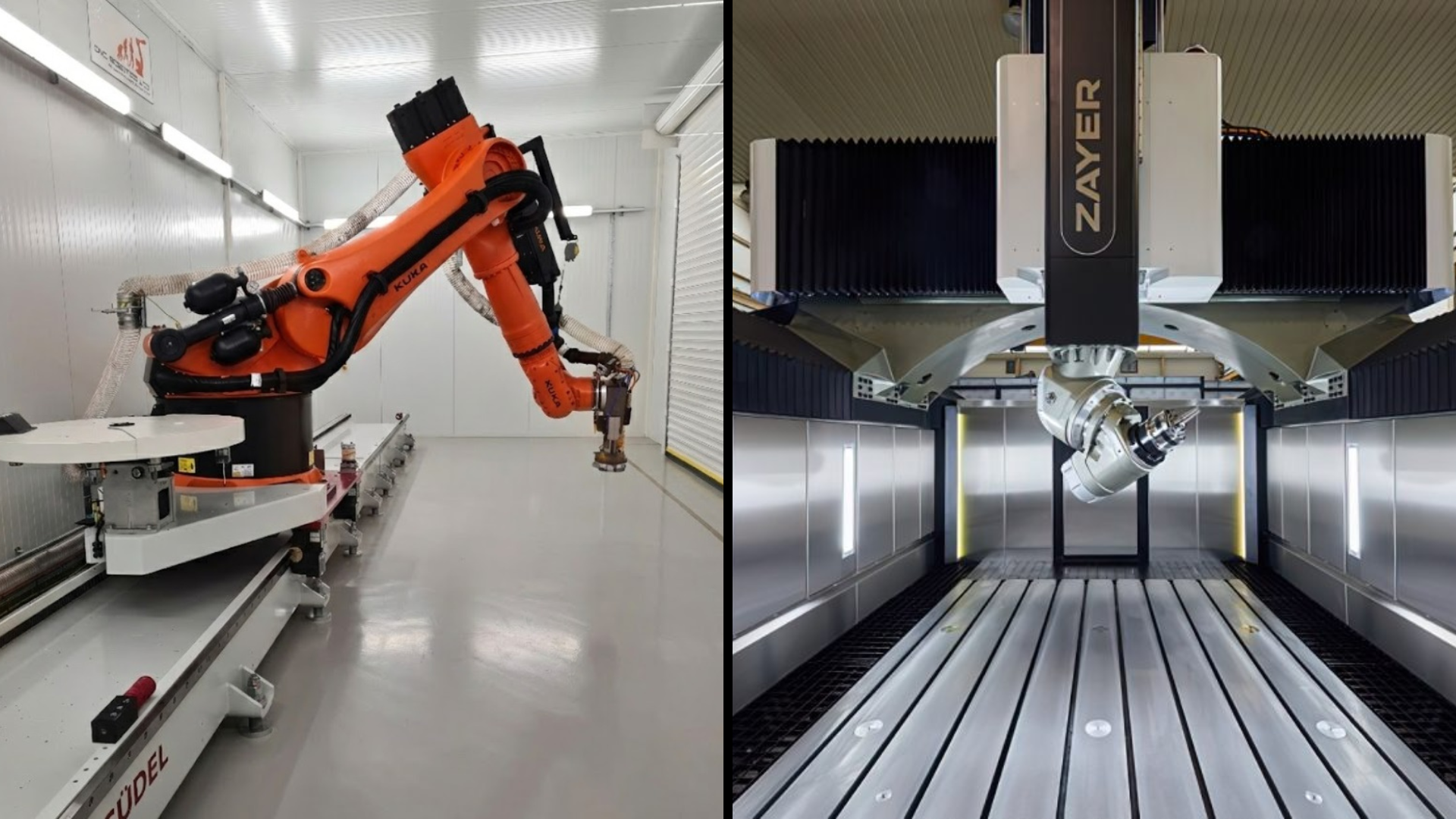
CNC Robot vs CNC Machine - What's the Difference?
A comparison of capability, cost, and which application fits which solution.
+ Learn More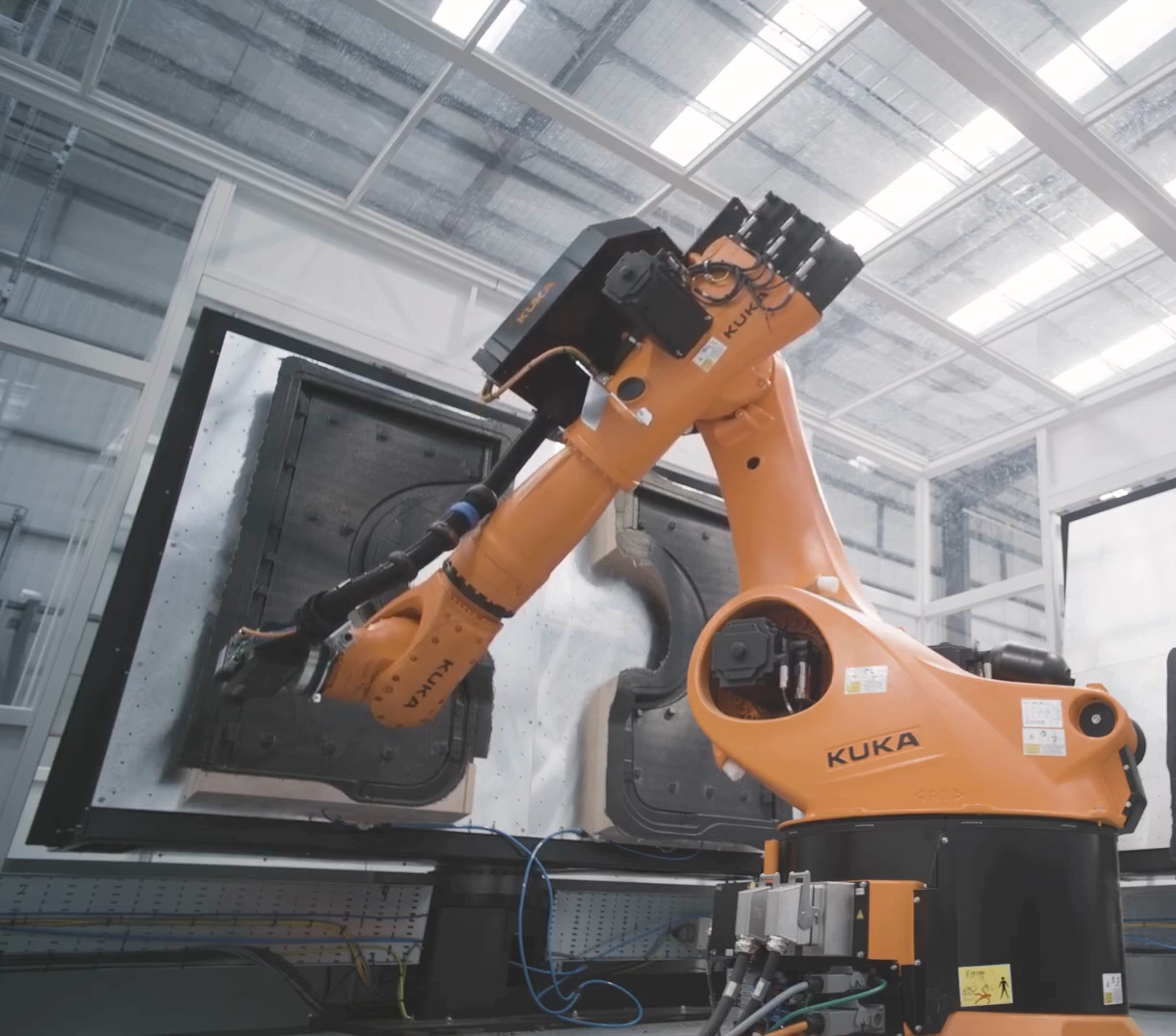
How and where is robotic milling used?
How robotic milling works and which industries are using it today.
+ Learn More
Leave a Reply