


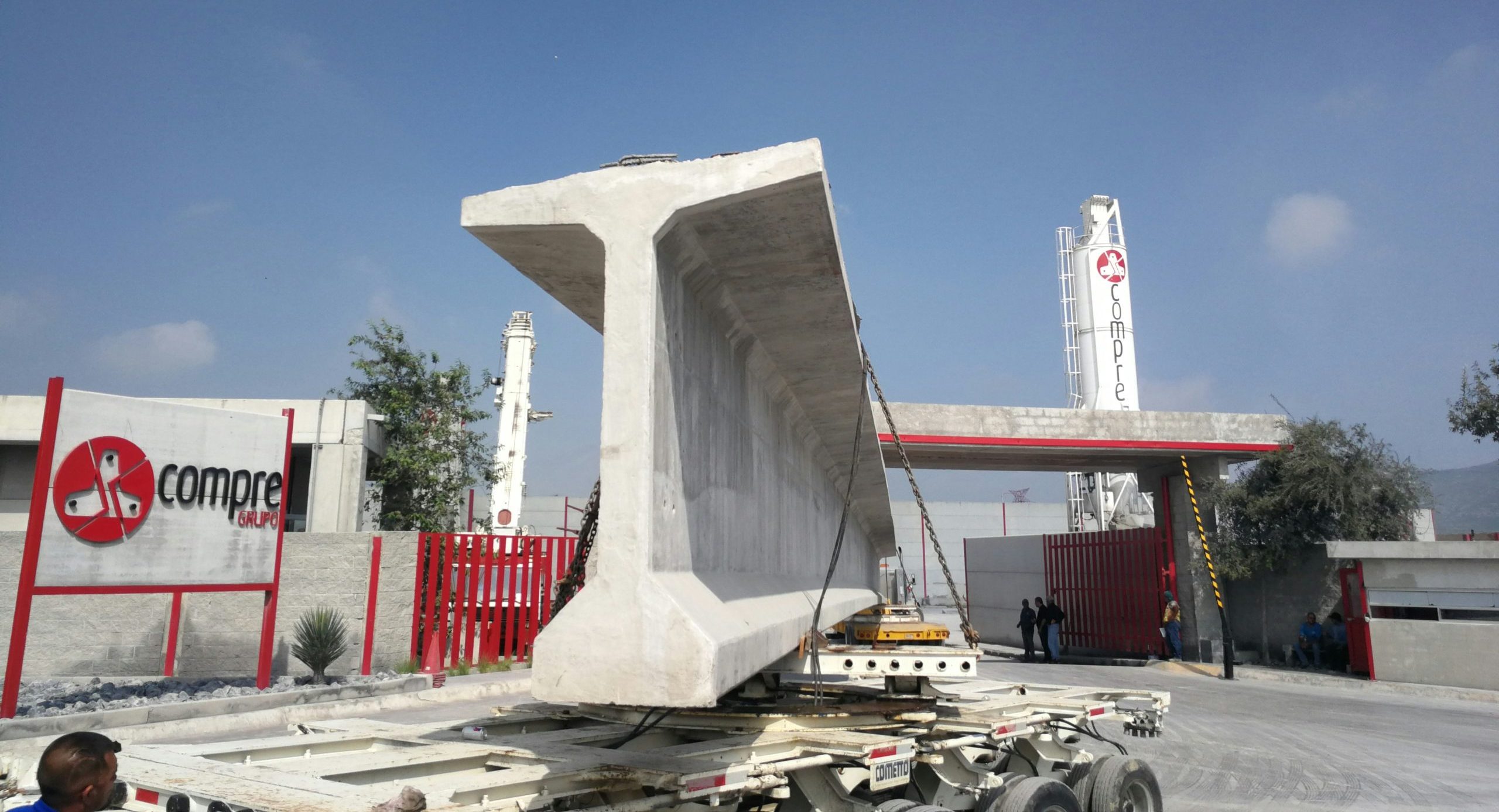
Precast Concrete Moulding with Robotic Polystyrene Machining
Precast Concrete Moulding with Robotic Polystyrene Machining
In the building and construction industry, the time and effort it takes to shape polystyrene for precast concrete moulds, block outs and voids has long been a bottleneck. Many precast facilities still rely on 3-axis CNC machines or manual carving to produce complex profiles. While these methods can get the job done, they often struggle with speed, repeatability and the cost of producing highly intricate forms.
Why polystyrene matters
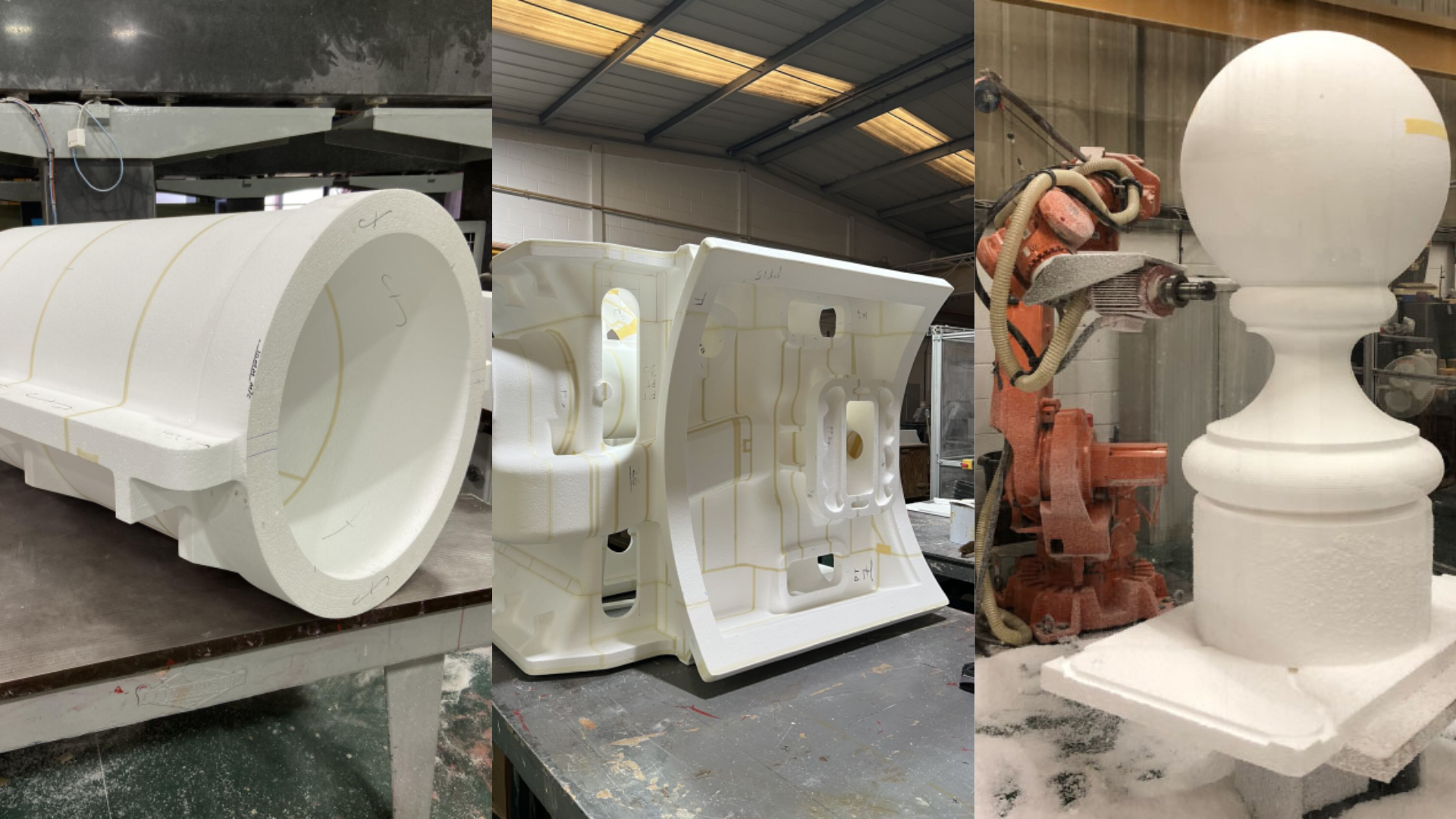
Polystyrene is a key material for precast concrete moulds. It’s lightweight, easy to shape, and ideal for creating detailed voids, curves, and decorative surfaces. Traditionally, manufacturers would hand-carve polystyrene blocks or rely on basic CNC milling. Hand carving is labour-intensive, slow, and prone to inconsistencies. 3-axis CNC machines are faster but can still be limited when it comes to producing angled surfaces or complex 3D profiles efficiently.
Robotic machining
Robots offer a flexible, high-precision alternative. By leveraging 5-axis robotic machining, polystyrene blocks can be shaped directly from CAD data in a single setup. This means:
- Complex geometries become simpler to produce – angled surfaces, overhangs, and compound curves that would require multiple setups on a traditional 3-axis machine can be completed in one pass.
- Speed is significantly improved – what might take days by hand or several hours on a 3-axis machine can be done in a fraction of the time with a robot.
- Consistency is guaranteed – robots follow the CAD exactly, reducing errors and variation between pieces.
Cost-effective 5-axis machining
Traditionally, 5-axis CNC machining has been expensive, limiting its use to high-value projects. Industrial robots equipped for machining can achieve the same multi-axis freedom at a fraction of the cost, without the footprint and maintenance demands of a dedicated 5-axis CNC machine. For precast producers, this opens the door to faster iteration, larger production runs, and the ability to tackle more complex designs without a prohibitive investment.
Applications in precast and construction
Robotic polystyrene machining is particularly useful for:
- Concrete formwork – shaping precise moulds for walls, beams, and panels.
- Block outs and voids – cutting cavities for electrical, or plumbing services before concrete is poured.
- Decorative and architectural features – carving complex surface patterns or profiles that would be difficult to achieve manually.

Robotics in Construction
From mould-making to complex facades, discover how we are reshaping the construction industry with robotic machining and 3D printing.
Explore ConstructionFrom CAD to finished block
One of the biggest advantages of robotic machining is the seamless transition from digital design to physical output. CAD files can be loaded directly into the robot’s control system, allowing for highly repeatable and precise cutting. Changes to a design require minimal setup — no new templates or hand-carving adjustments. This is particularly valuable in precast production where multiple iterations or customised elements are common.
Conclusion
For precast concrete manufacturers, the shift to robotic machining is less about replacing traditional processes and more about optimising efficiency, accuracy, and flexibility. Robots make it possible to produce intricate polystyrene moulds faster, more consistently, and at lower cost than both manual carving and traditional 3-axis methods.
The result is a more agile production process, ready to meet the demands of modern construction, from structural panels to decorative architectural elements.
Leave a Reply